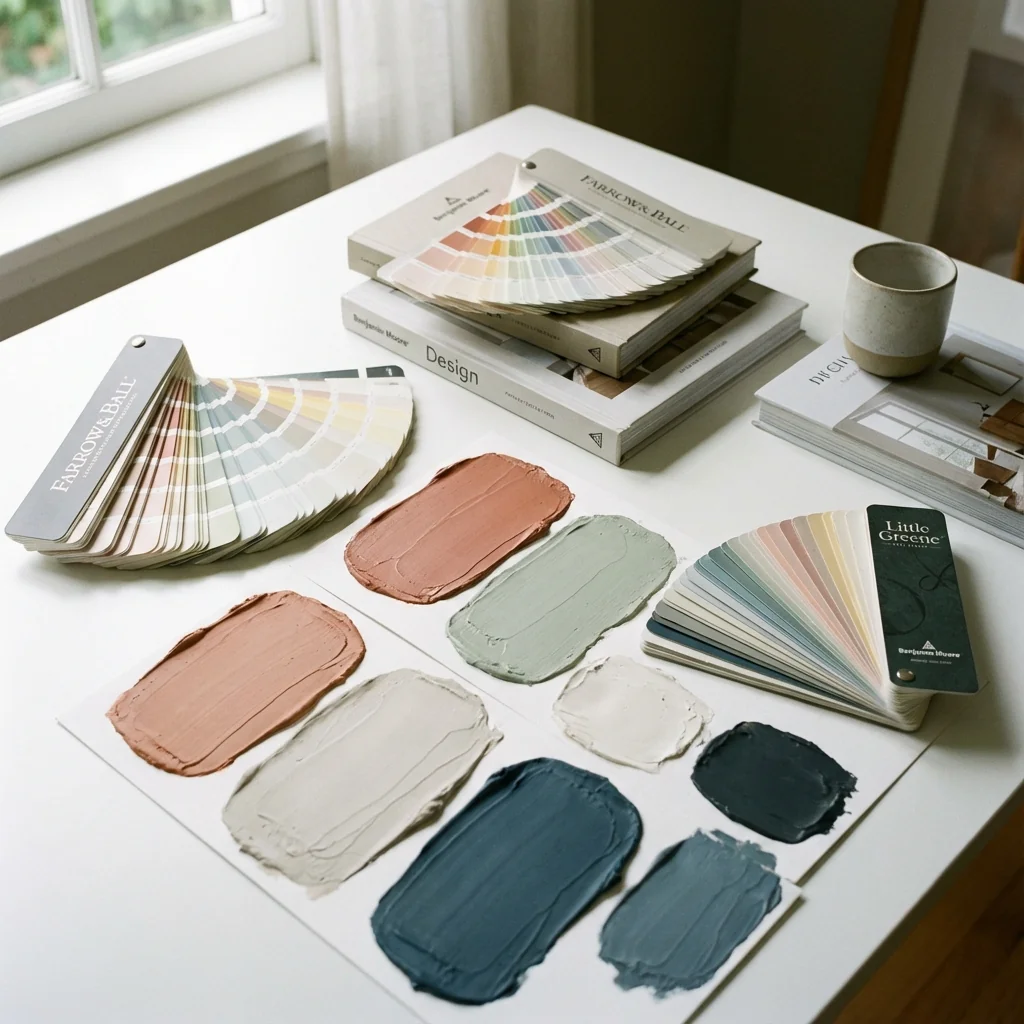
Choosing the right colors for your home's exterior can dramatically enhance its charm and character. When considering your options, start by understanding your home's architectural style, as well as the surrounding environment. A Victorian home may benefit from a vibrant palette of rich hues, while a modern design might call for sleek neutral tones or bold accent colors.
Choosing the Ideal Color Palette for Curb Appeal
Take inspiration from nearby homes or nature to create a harmonious blend that complements your property. Be mindful of the climate too—warm colors can feel more inviting in cooler regions, whereas cooler tones may provide a refreshing vibe in warmer areas.
An effective strategy is to create a color scheme that involves three distinct shades: a base, a middle, and an accent. This layering technique adds depth and visual interest to your facade.
The Three-Color Rule
| Element | Color Type | Purpose |
|---|---|---|
| Main Walls | Base Color (Neutral) | Creates foundation, largest visual area |
| Trim & Details | Secondary Color | Defines architectural features |
| Front Door & Accents | Accent Color | Creates focal point, shows personality |
Understanding Color Psychology
- White & Cream: Classic, clean, makes homes appear larger
- Gray: Modern, sophisticated, pairs well with bold accents
- Blue: Calming, trustworthy, popular for coastal and traditional homes
- Green: Natural, harmonizes with landscapes, eco-friendly feel
- Yellow: Cheerful, welcoming, great for cottage-style homes
- Red & Burgundy: Bold, commands attention, traditional appeal
Tips for Harmonizing with Architecture
- Traditional Homes: Stick to classic color combinations—white trim with navy, gray, or muted green bodies
- Modern Homes: Embrace bold contrasts—dark charcoal with white accents, or monochromatic schemes
- Craftsman Style: Earthy tones like olive, brown, and terracotta complement natural wood elements
- Victorian: Multiple colors work well—consider 3-4 colors to highlight ornate details
Consider Your Landscape
Your home doesn't exist in isolation. Consider these landscape elements when choosing colors:
- Existing brick, stone, or hardscape colors
- Mature trees and garden plantings
- Neighboring homes (complement, don't clash)
- Fixed elements like roof color and driveway
Testing Your Selections
Always test your selected colors before committing. Purchase sample sizes and paint large swatches (at least 2' x 2') on your home's exterior. View them at different times of day—morning sun and evening shade can dramatically change how colors appear.
Need Help Choosing Colors?
Our color consultation experts can help you find the perfect palette for your home!
📞 Call 503-910-5932